How leveraging social investment to create a Communal Cookbook drove a +8% retention lift across global markets.
The Challenge
We identified that socially active users were 32% more retentive. However, forcing social interaction (like chat) didn't work in the past.
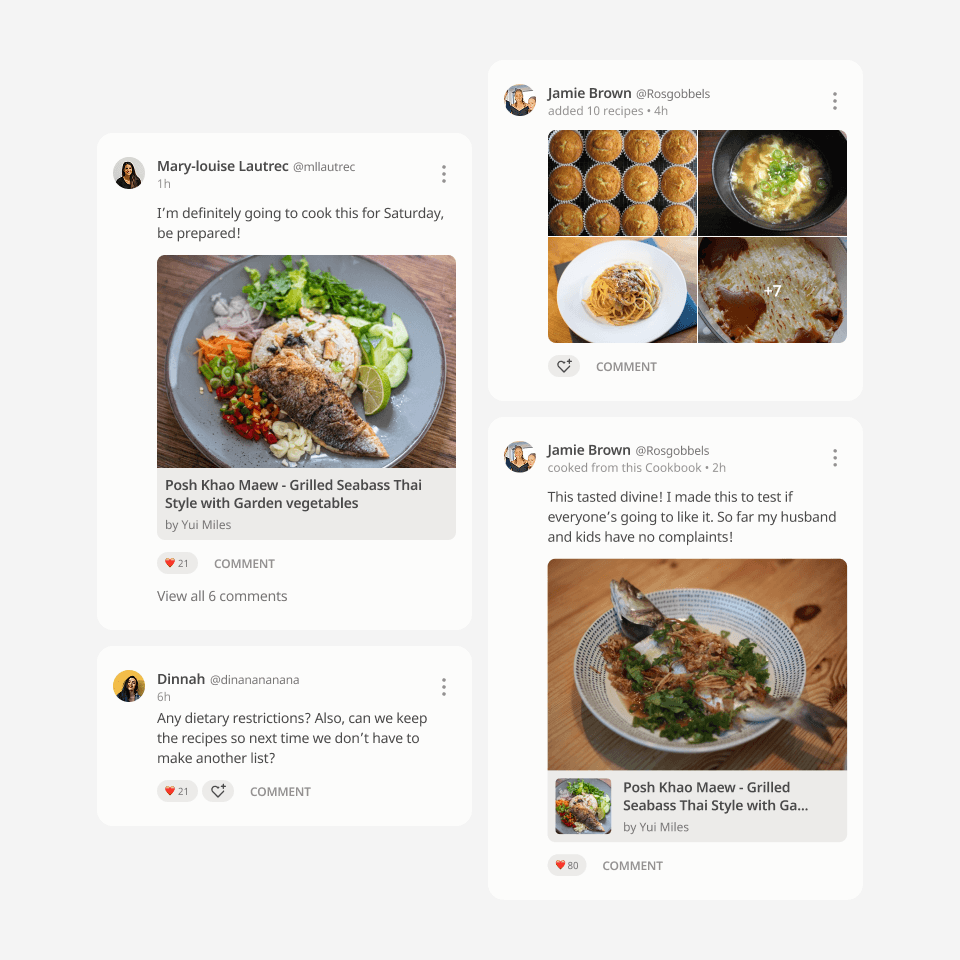
Cookpad already had social levers such as direct messaging, but adoption was poor. It failed to scale because it suffered from the 'Empty Room' problem. Users had no context, or topic, to initiate a chat. Conversely, public recipe comments were where most of the interaction happens.
The Insight: Users didn't want to simply connect; they wanted to talk over food. We needed to shift from Direct Communication (Chat) to Object-Centric Communication (Collaborative Curation)

The Solution
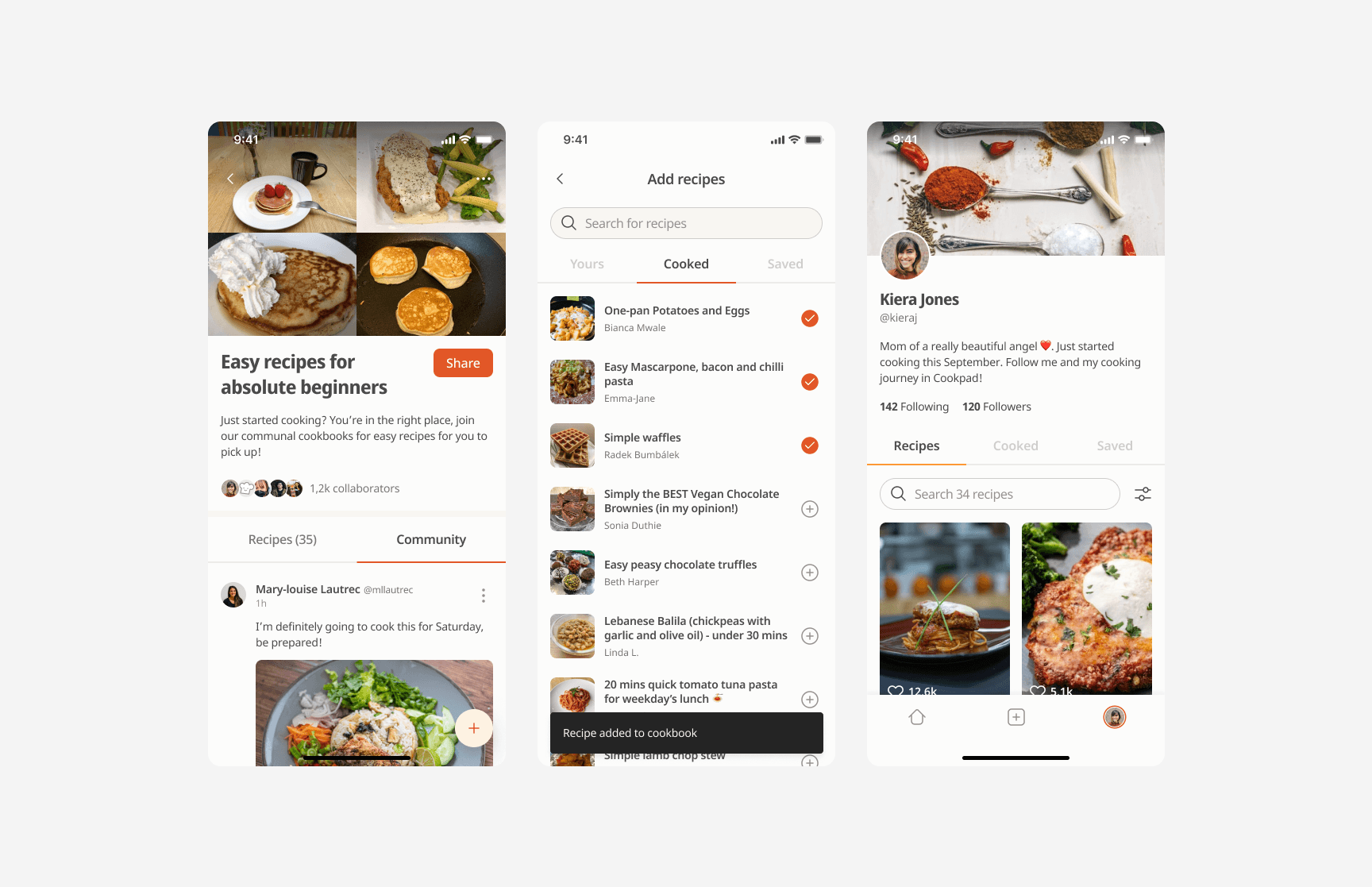
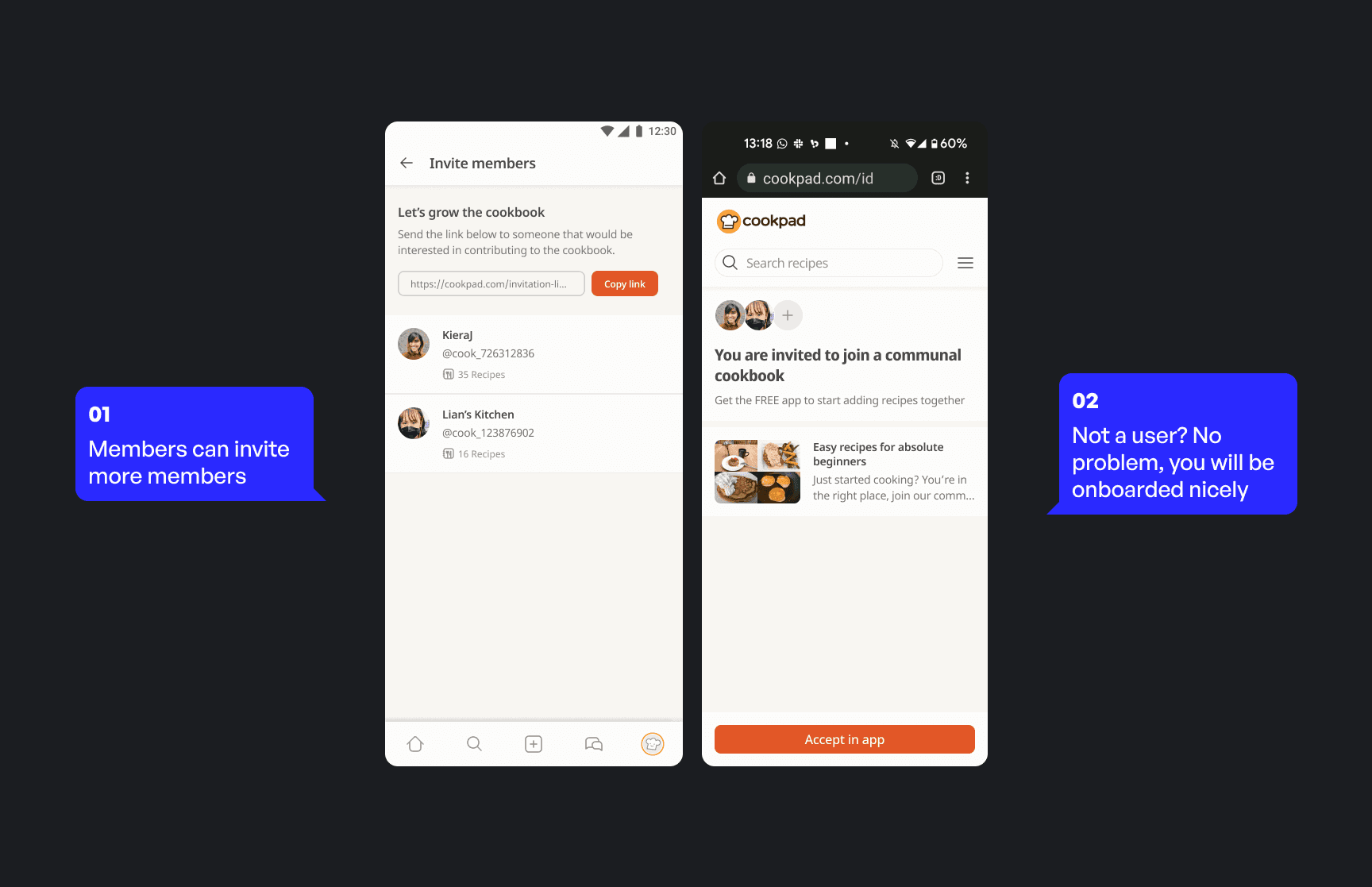
I architected the communal cookbook as a low-friction social space. Following the established behaviour of bookmarking recipes.
The communal cookbook allowed users to co-create without the pressure of direct conversation. By contributing to a shared goal (e.g. a family recipe book), users create a lock-in that drove retention.
The Result
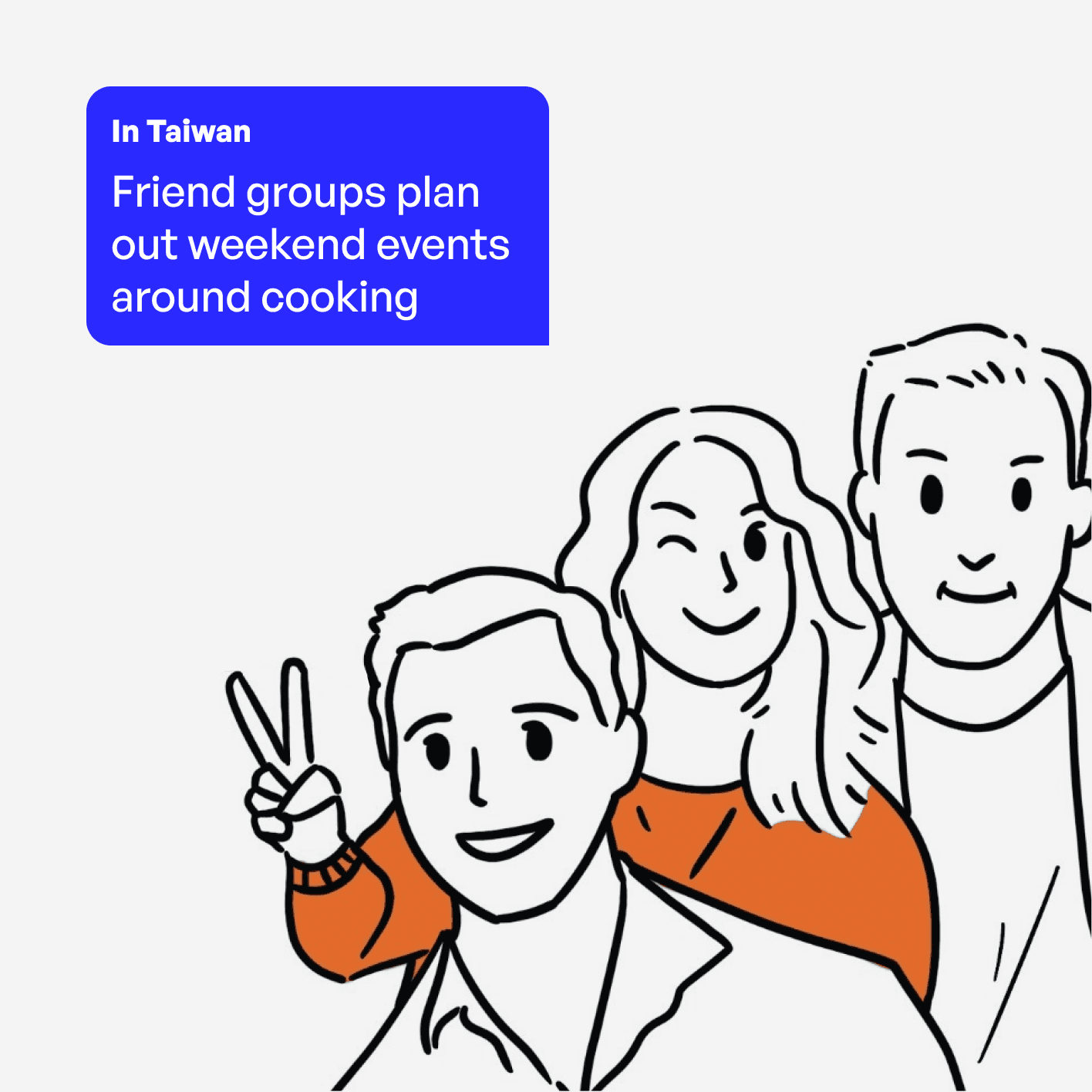
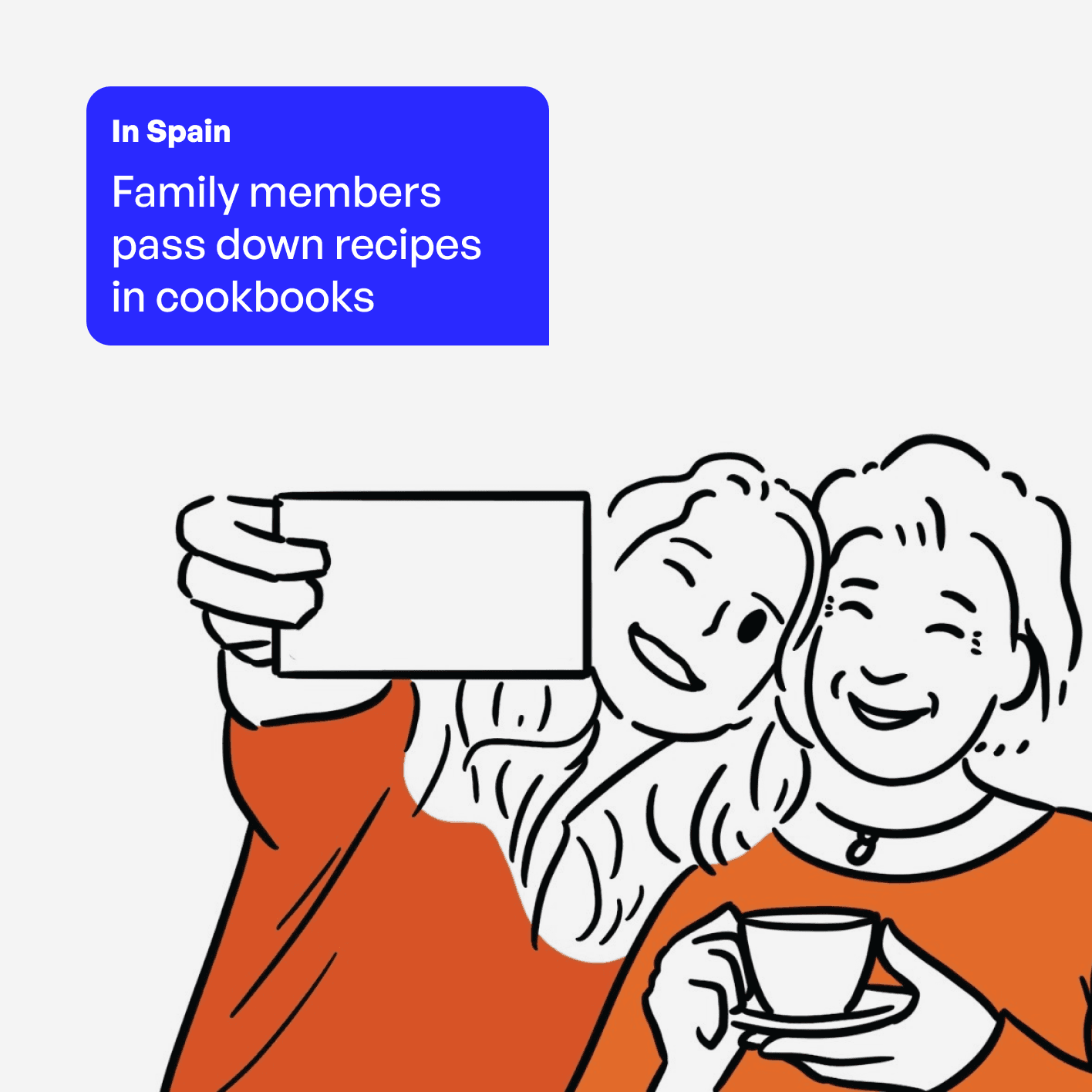
We validated the concept through pilot launches in Taiwan and Spain, achieving a +8% lift in week 2 retention for cookbook users.
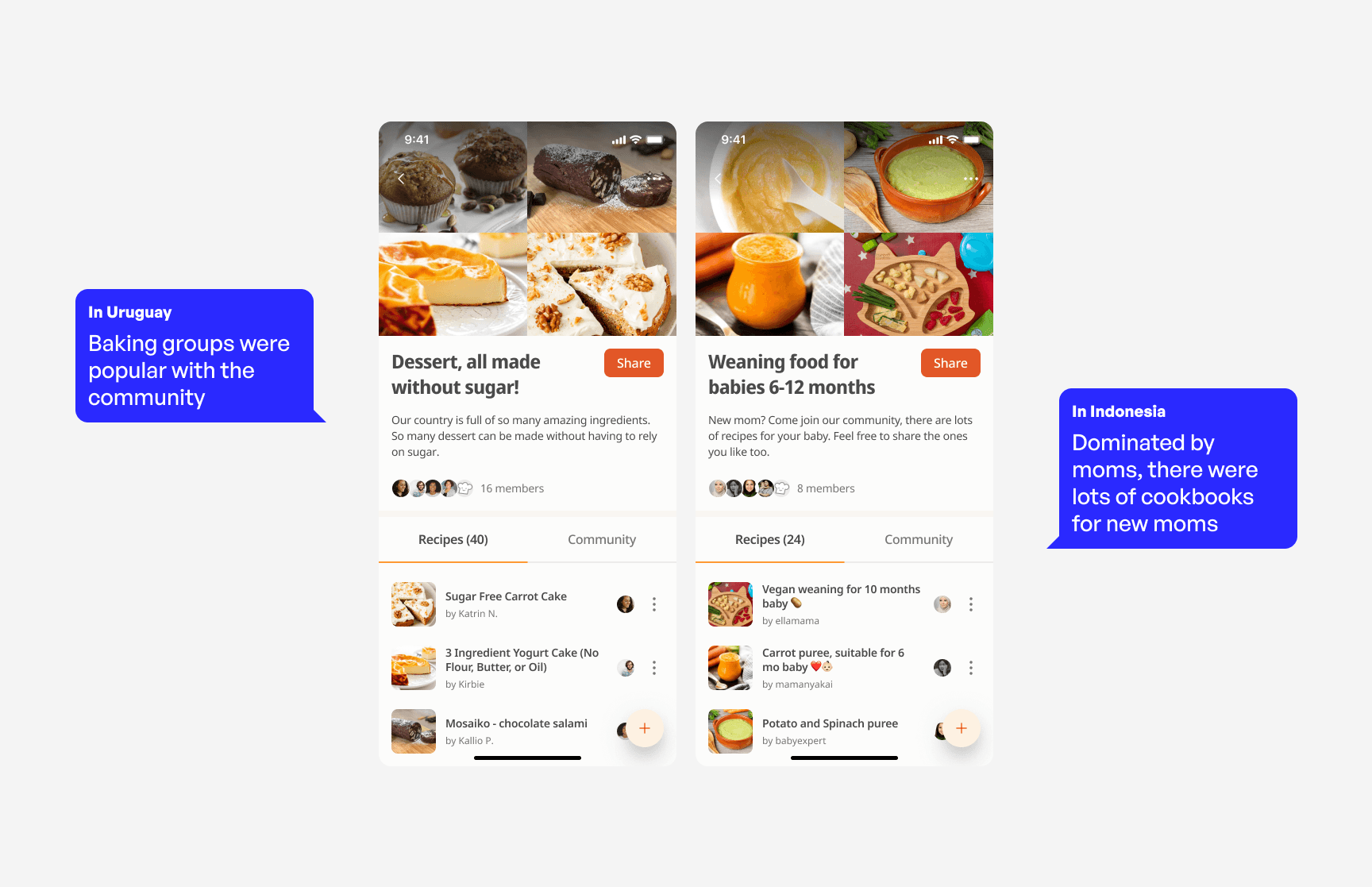
This success justified a global rollout, which drove a 4.3% increase in worldwide w2 retention within just 30 days of launch. The project served as a critical leverage to retain users and improve premium conversion as a whole.
Takeaways